North-West Tasmanian households are now seeing an increase in their electricity bills, with regulated prices rising by an average of 4.23% for residential and small business customers from July 1, 2026. This change is expected to add around $108 a year to the typical household power bill, according to the Tasmanian Economic Regulator.
The primary driver behind this increase is higher network costs approved for TasNetworks, Tasmania’s electricity network company, by the Australian Energy Regulator (AER). TasNetworks’ annual network charges for a typical residential customer are estimated to be approximately $1,011 for 2026-27, a 6.5% increase compared to the previous year. The AER approved TasNetworks’ pricing proposal on April 22, 2026, with the new prices taking effect on July 1, 2026.
Key factors contributing to TasNetworks’ increased network charges include an 11.0% rise in Transmission Use of System (TUOS) charges. This is attributed to increased load requirements from distribution customers and revenue recovery for the North West Transmission Development (NWTD) Early Works. Additionally, the Basslink interconnector between Tasmania and Victoria officially converted to a regulated asset on July 1, 2026. The AER also approved an additional $1.06 million recovery for TasNetworks related to the August and September storms of 2024.
Shift Towards Time-of-Use and Demand Tariffs
TasNetworks continues its push towards more cost-reflective pricing, with time-of-use (ToU) consumption tariffs (TAS93 for residential, TAS94 for small business) now the default for all new residential and small business connections. These tariffs aim to incentivise customers to manage their energy use by offering different prices depending on the time of day or week, with lower rates during off-peak periods.
For residential customers, peak periods for the TAS93 tariff typically run from 7 am-10 am and 4 pm-9 pm on weekdays. Off-peak rates apply during other weekday hours (10 am-4 pm, 9 pm-midnight) and all weekend. To access these tariffs and potentially reduce bills by shifting energy consumption, customers need an advanced meter installed, which can be arranged through their energy retailer.
Small businesses have also seen recent adjustments to their ToU consumption tariff (TAS94). From July 1, 2024, the weekday period from 10 am to 4 pm shifted from peak to shoulder pricing, the weekday evening peak shortened by an hour to end at 9 pm, and weekends became entirely off-peak.
Solar Feed-in Tariff and Community Batteries
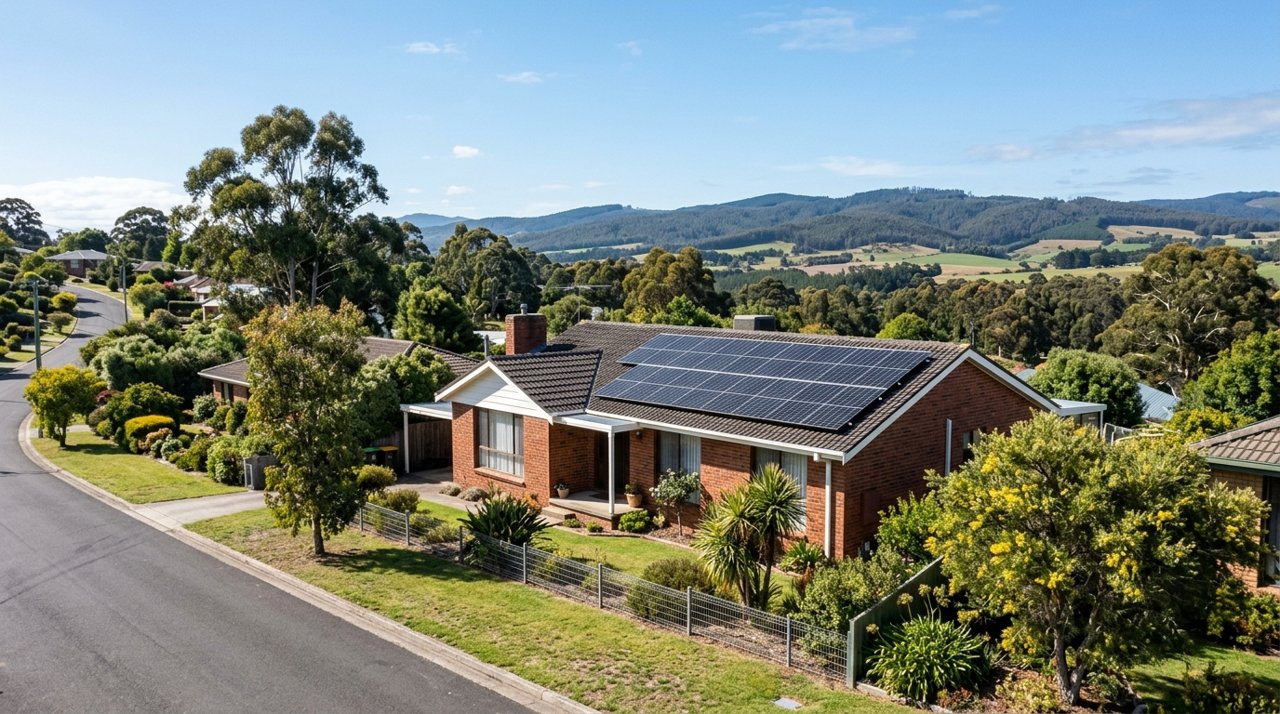
For Tasmanian households with solar panels, the minimum solar feed-in tariff has also increased by 5.6% to 9.276 cents per kilowatt-hour (c/kWh) from July 1, 2026.
TasNetworks is also continuing its low voltage small storage network tariff trial in 2026-27. This trial involves installing eight community batteries across Tasmania, including in Burnie, to store excess solar energy and return it to the network during high demand, introducing two-way network charging for the first time in the state.
Support for Households
Despite the increases, the Tasmanian Economic Regulator notes that Tasmania’s regulated electricity prices remain among the lowest or second lowest in the national market, and the current increase is below Hobart’s annual inflation rate of 5.0%.
The Australian Federal Government has committed to providing two further automatic payments of $75 (totalling $150) to residential households and small businesses over 2025-26 to help with energy costs. Additionally, the state government and Aurora Energy have doubled funding for the energy hardship fund from $350,000 to $700,000, and the 2026-27 Budget includes approximately $370 million over four years for various concessions, including electricity. Aurora Energy encourages any customer struggling with energy costs to contact them for support options.